 Ary

A website is useful when it gives people something your social profile does not: a clear service explanation, a stable address or an easier inquiry and booking path. Start with
that job rather than assuming every business needs a large site.
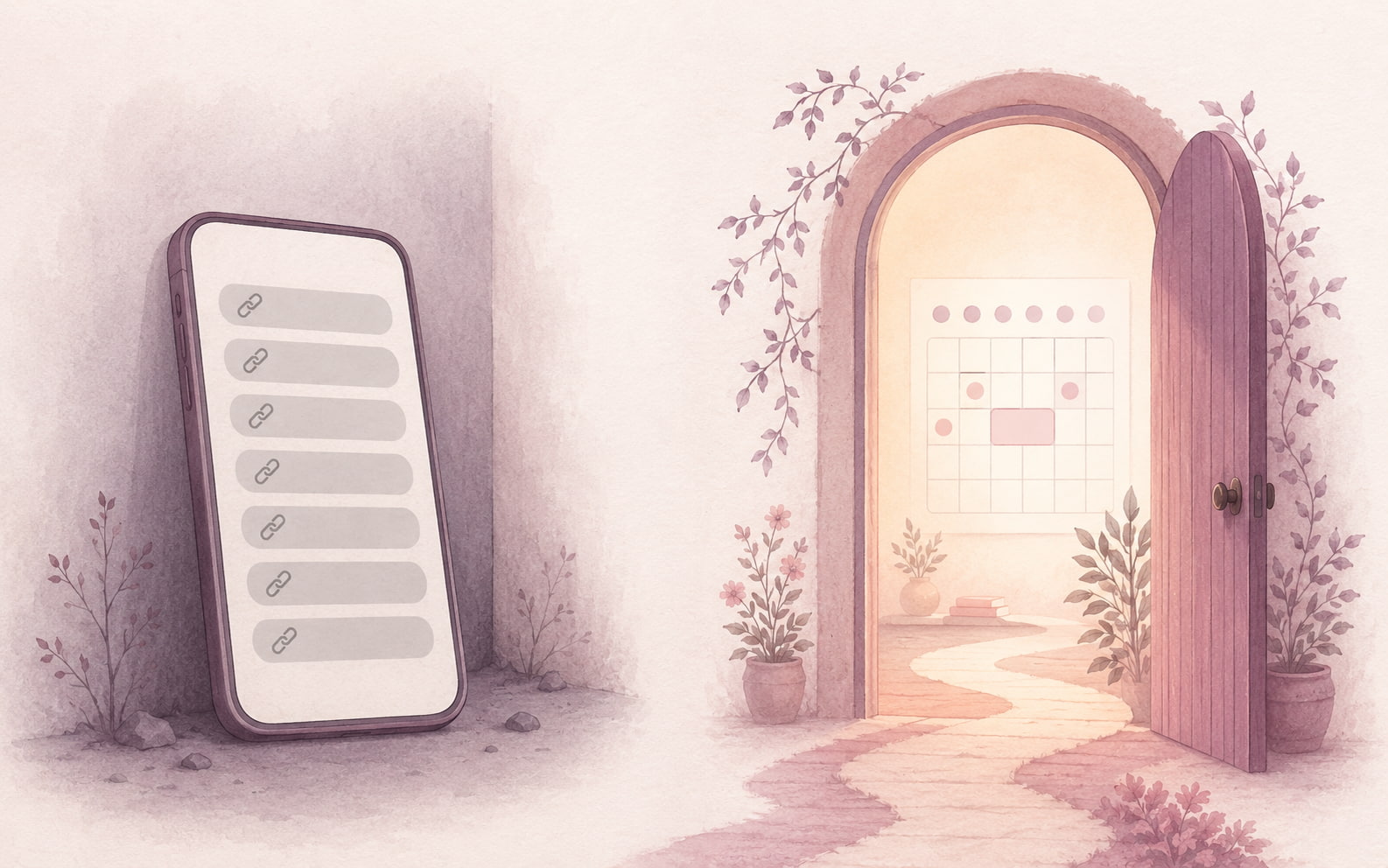
That doesn't mean you need a huge site. It means you need a home base that's yours.
Is social media alone enough to run a business on?
Social media can be enough while you test an offer or work through referrals. A separate website becomes useful when customers need more information, a stable contact point or an
easier route to book.
Reach varies by platform, audience and post. Judge your social channels by the inquiries and bookings they produce for your business rather than treating an industry average as a forecast.
Keep copies of your content and important business records. Platform policies and account access can change; a separate domain and well-maintained records give you another way to stay reachable.
Your own domain gives you more control over where visitors land, but websites still depend on hosting, renewals and maintenance. Keep recovery access and backups current.
How do people actually find and choose a service business in 2026?
People can arrive through referrals, search, reviews or social posts. Give them a clear way to verify the service, understand the fit and contact you, whichever route they take.
A visitor may hear about you elsewhere and use your website to check services, location, pricing and availability. Put those details where they are easy to find and keep them
consistent with your other profiles.
Search habits vary. Use your own inquiry-source data and website analytics to see which channels bring useful visits; do not abandon a working channel because of a broad demographic headline.

Does a website still matter for Google and AI search?
A website gives search engines pages they can crawl and visitors useful service information to read. It can also be cited by AI search systems, but having a site does
not guarantee indexing, visibility or a citation.
Google’s SEO Starter Guide recommends useful content and clear site organization. Explain your actual services and make important pages easy to navigate; do not build extra pages only to target
keyword variations.
AI-search results and sources vary by query and product. A citation does not necessarily bring a visit or a booking. Focus on accurate, accessible information and measure the inquiries your
own website receives.
If your business is eligible, keep its Google Business Profile accurate. Add a website when it helps visitors understand the service and gives them a useful next step.
How should booking and follow-up connect to your website?
An online booking link can let someone choose a time outside your working hours. It can live on a website or be shared from social media. What matters is the
complete path: availability, confirmation, reminders and a way to ask for help.
Here's the pattern I see most. (Hypothetical example, drawn from common Bloomwired intake situations.) Someone runs a clean Instagram, posts consistently, and gets the DMs rolling in. Inquiry hits at
9pm. They reply at 9am the next day. The person already booked someone else. No automatic reply, no booking link, no follow-up if the conversation went quiet. The marketing worked.
The system behind it did not exist.
A website fixes this with three plain pieces:
- A booking widget so people can schedule themselves, 24/7
- A form that routes inquiries somewhere you'll actually see them
- A follow-up sequence that nudges people who didn't finish
That's most of what we build for service businesses at Bloomwired.

Why owning your audience beats renting it
Keep customer records and permission information in a system you can manage and export. A social follower is not automatically an email subscriber; collect the appropriate permission before adding someone
to marketing.
Judge email and social by the work they do for your business. Track meaningful inquiries and bookings rather than assuming a published conversion rate will apply to your audience.
Maintain copies of business records and document where consent and opt-outs are stored. Owning a domain helps with portability, but responsible handling of customer data still matters when you change
tools.
What's the smallest website that actually does the job?
One focused page may be enough for one service. A broader business may need separate service, about, contact and booking pages. Start with the content visitors need to decide, then
choose the smallest useful structure.
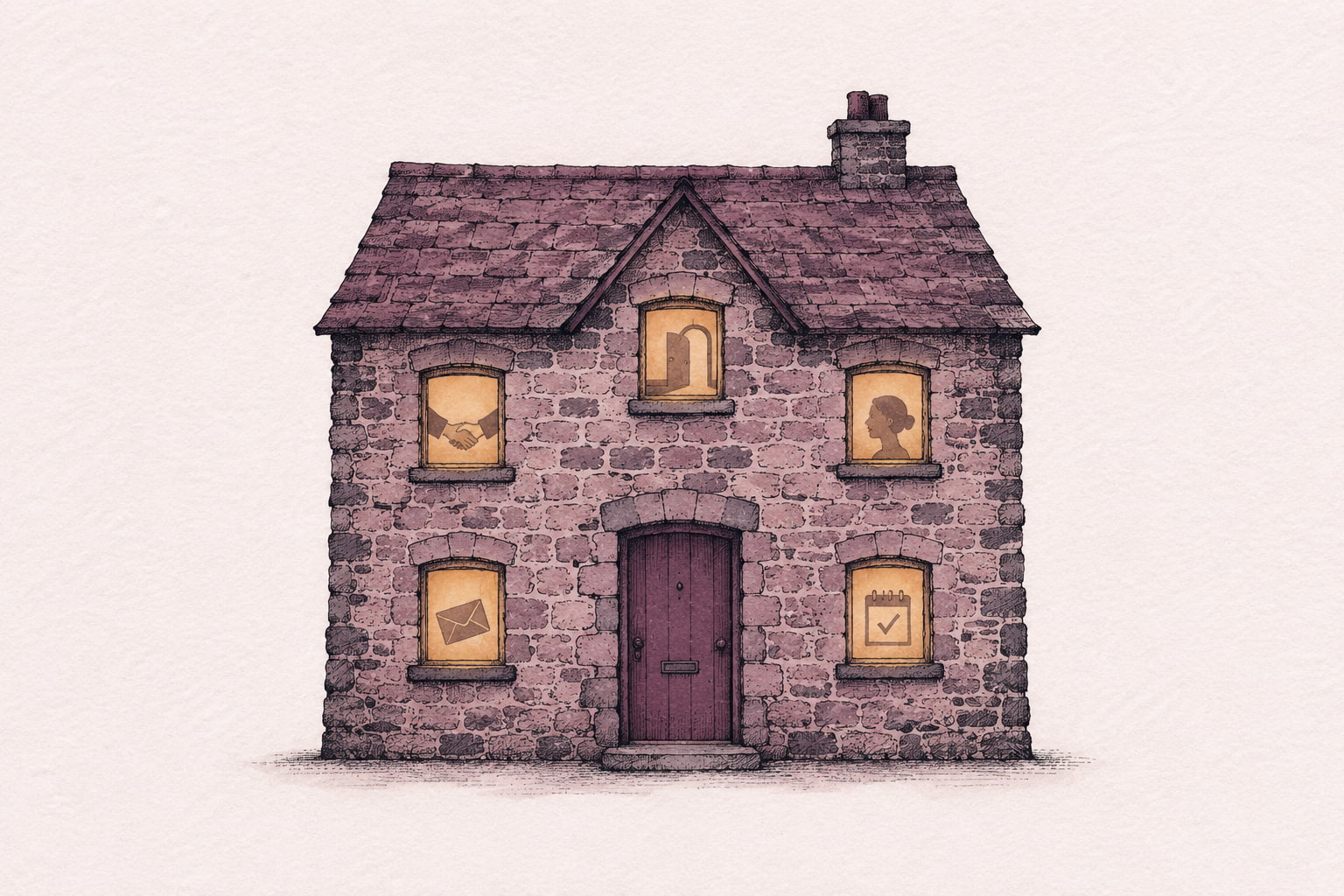
| Page | What it does |
|---|---|
| Home | One clear line on who you help and a button to book or inquire. |
| Services | A section for each service. This is your Google ranking workhorse. |
| About | Your face, your credentials, the trust check before someone books. |
| Contact | A working form and your real phone number. |
| Booking | An embedded scheduler so people book themselves, 24/7. |
Use the platform that supports your content and booking needs. Test the inquiry path on a phone, keep contact details current and make sure someone owns maintenance after launch.
A course has different needs. Lawrence’s Kajabi website introduces the lessons, offers a worked example and gives visitors a free checklist to explore first.
What I'd be careful about
A few honest caveats so you don't overcorrect.
A website alone is not an automatic faucet. If nobody can find it, it won't book anyone. The site and the Google profile work together. Build both or the site
sits there.
Measure the actual journey before adding more pages. Useful checks include whether people find the relevant service, understand it and complete an inquiry or booking.
Other businesses’ adoption rates do not determine whether you need a website. Your decision should follow your offer, customer questions and current inquiry path.
And don't quit social. The answer is not website instead of social. It's social to get found, website to convert. Post where your people are. Send them somewhere you own.
A quick last word
Give your website one clear job before you expand it. The useful first improvement may be better service information, a simpler inquiry form or a working booking connection.
Compare website scopes for the page work. If the page is already doing its job, follow-up and workflow help may be the more useful next step.
Even if you build it yourself, build the home base. The rest is rented.